Pre-Trial Motions and Trial in a Colorado Personal Injury Case: What to Expect in Aurora
If you’ve been injured in an accident and filed a personal injury claim in Aurora, you may hear your attorney talk about pre-trial motions or going to trial. For most people, these terms sound intimidating and confusing, especially if you’ve never been involved in a lawsuit before.
This article explains the last two stages of a personal injury lawsuit, including what pre-trial motions are, how they work, and what happens if your personal injury case goes to trial in Aurora, Colorado.
The Big Picture: Where Pre-Trial Motions Fit in a Personal Injury Case
Most Colorado personal injury cases follow a similar path:
- Accident and injury
- Medical treatment and investigation
- Insurance claim and negotiations
- Lawsuit filed (if needed)
- Pre-trial motions
- Trial (only if the case does not settle)
Many cases settle before trial, but pre-trial motions often play a major role in pushing a case toward resolution.
What Are Pre-Trial Motions?
Pre-trial motions are formal requests made to the court asking a judge to decide specific legal issues before a trial begins. These motions help shape what evidence can be used, what arguments are allowed, and sometimes whether a trial is even necessary.
In Aurora personal injury cases, pre-trial motions are typically filed in Arapahoe County District Court, depending on the case.
Common Pre-Trial Motions in Colorado Personal Injury Cases
- Motion to Dismiss
A motion to dismiss asks the court to throw out all or part of a case due to legal defects, such as lack of jurisdiction or failure to state a valid claim. These motions are less common in well-prepared injury cases but may be raised early on.
- Motion for Summary Judgment
This motion argues that no genuine dispute of material fact exists and that the case (or part of it) should be decided as a matter of law, without going to trial. In other words, a Motion for Summary Judgment argues that certain facts of a case are so clear and indisputable that the moving party should automatically win on that issue.
Insurance companies often file summary judgment motions in an attempt to:
- Avoid trial
- Limit damages
- Eliminate certain claims (like pain and suffering)
- Motions in Limine
A motion in limine asks the judge to exclude certain evidence from being presented to the jury. For example:
- Prior unrelated injuries
- Irrelevant medical history
- Inflammatory or misleading statements
These motions are critical in personal injury trials because they shape what the jury will, and will not, hear.
- Discovery-Related Motions
If one side refuses to provide documents, medical records, or proper responses, the other side may file a motion to compel or seek sanctions from the court.
Why Pre-Trial Motions Matter So Much
Pre-trial motions can narrow the issues to be determined at trial, simplifying and streamlining the process. They can strengthen settlement negotiations depeinding on how the judge rules on the evidence. Simiarly, the judge’s rulings on these motions can expose weakessness in a case. Most importantly, they prevent unfair evidence from reaching a jury. There are rules about what evidence a jury can hear if it risks misleading or creating a strong bias in the jurors. In many Aurora personal injury cases, serious settlement discussions happen after pre-trial motions are decided, once both sides see how the judge is likely to rule.
What Happens If the Case Goes to Trial?
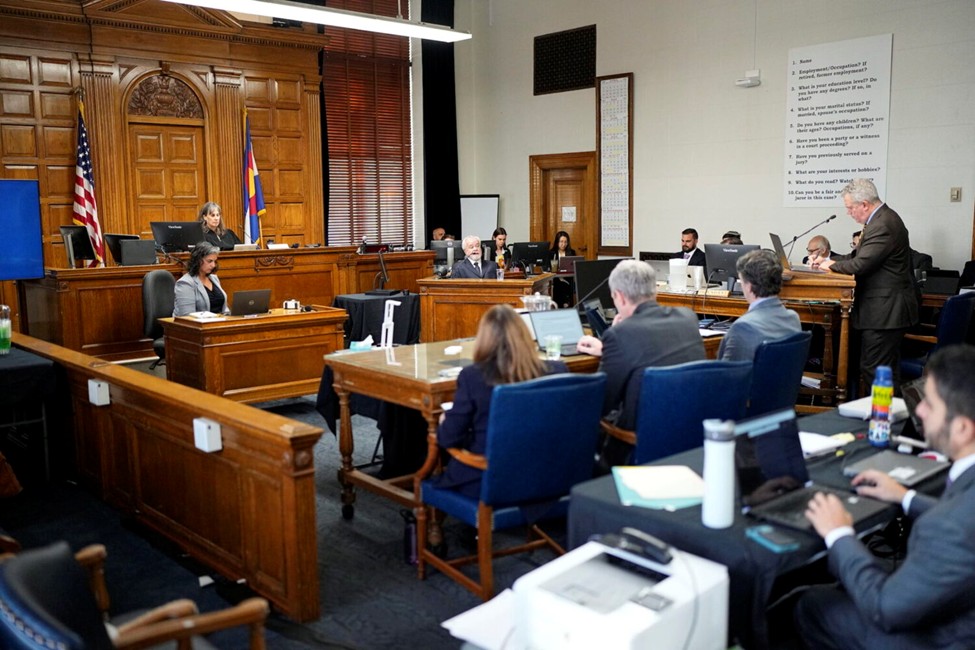
If your case does not settle, it proceeds to trial, typically in Arapahoe County District Court, or the county where your accident occurred.
Jury Selection (Voir Dire)
Attorneys question potential jurors to ensure fairness and eliminate bias.
Opening Statements
Each side explains what the case is about and what they believe the evidence will show.
Presentation of Evidence
This may include:
- Medical records
- Accident reports
- Expert testimony
- Witness statements
- Photos and videos
Closing Arguments
Attorneys summarize the evidence and ask the jury to reach a specific verdict.
Jury Deliberation and Verdict
The jury instructions set out what the jury is asked to decide. Most often this is who is at fault, whether the at-fault party casued injuries to the Plaintiff, how severe those injuries are, and how much compensation should be awarded
Do Most Personal Injury Cases in Aurora Go to Trial?
No. Most personal injury cases in Aurora settle before trial. However, preparing a case as if it will go to trial is often the best way to achieve a fair settlement.
Insurance companies are far more likely to make reasonable offers when they know:
- The attorney is trial-ready
- Evidence has been thoroughly prepared
- Pre-trial motions have been aggressively litigated
Why Having a Trial-Ready Personal Injury Attorney Matters
Pre-trial motions and trial require:
- Knowledge of Colorado civil procedure
- Experience with local courts and judges
- Strong litigation and courtroom skills
An attorney who is not prepared to file motions or take a case to trial may struggle to obtain full compensation, especially in serious injury cases.
Talk to an Aurora Personal Injury Attorney About Your Case
If you were injured in an accident in Aurora or the surrounding areas, understanding the litigation process can make a stressful situation more manageable. Whether your case settles early or proceeds to trial, having an attorney who knows how to handle pre-trial motions and courtroom litigation is essential.
If you have questions about your rights, deadlines, or next steps, consider speaking with a knowledgeable Aurora, Colorado personal injury attorney who can guide you through every stage of the process. Call us at 720-637-8464 or email info@BurrInjuryLaw.com.